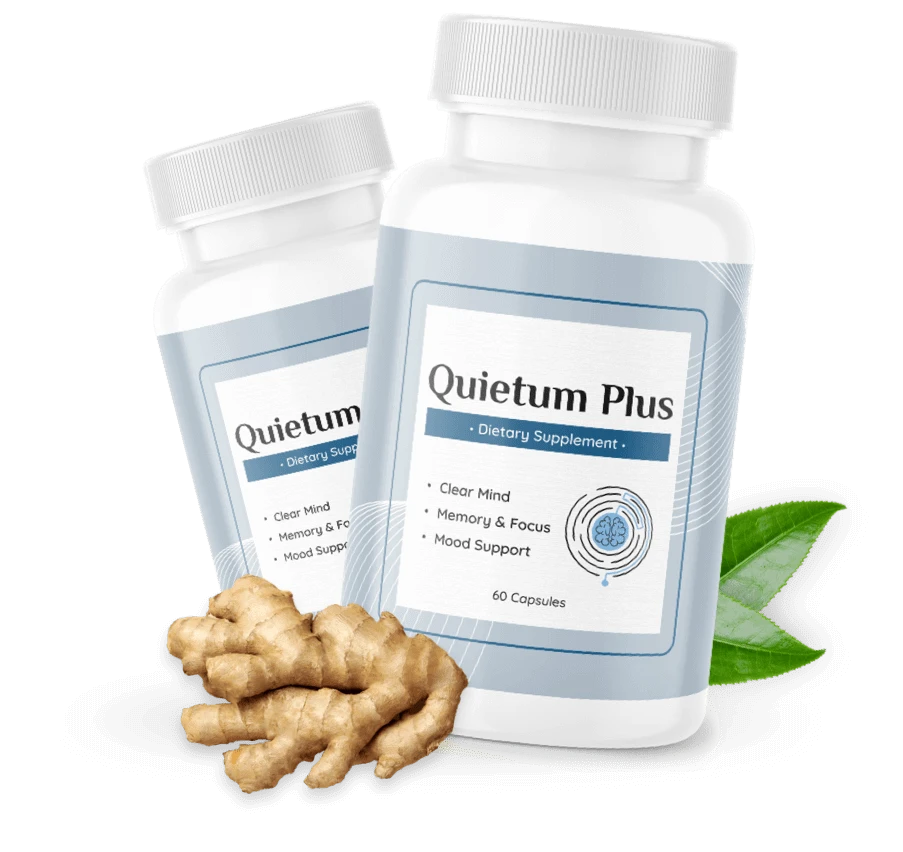
The question is product-specific
To assess an effectiveness claim, first define the intended outcome. Better sleep, reduced distress and a measurable change in hearing are different outcomes. Evidence for one should not be presented as proof of another.
The material reviewed here does not establish a controlled clinical result for the finished Quietum Plus formula. This is a source-limited assessment; we have not conducted a systematic review of every research database.
What stronger evidence would look like
- A study identifying the actual branded formulation and dose.
- Participants whose symptoms resemble the intended users.
- A meaningful comparison group and a clearly defined outcome.
- Results that include uncertainty, withdrawals and adverse events.
- A full publication with funding and conflicts disclosed.
How to read a research link
Open the study itself. Check whether it involves people, an isolated ingredient or a different product. Then compare the dose, duration and outcome. A plausible biological mechanism is a starting point for research, not a demonstration that a bottle delivers a clinical benefit.
Use our ingredient versus product evidence guide as a practical checklist.
Testimonials answer a different question
A testimonial describes a reported experience. It generally cannot establish what caused that experience, how typical it is, or how many buyers had no improvement. Our customer-feedback guide explains how to interpret both positive and negative accounts.