Start by identifying what was tested
A study of a single ingredient, a laboratory experiment and a human trial of a finished formula answer different questions. Keeping these categories separate is the first step in evaluating a research-backed sales claim.
Use this evidence matching checklist
| Match | Check |
|---|---|
| Product | Is the named formulation the one being sold? |
| Preparation | Are ingredient forms and amounts comparable? |
| Population | Were participants similar to the intended users? |
| Outcome | Was the advertised benefit actually measured? |
| Comparison | Was there a suitable control group? |
| Transparency | Are methods, limitations and funding available? |
An example without a shortcut
Suppose an ingredient is studied for sleep using a specified extract. A product contains that ingredient but does not disclose the same extract or quantity. Even before considering hearing claims, the match is incomplete. The study may be relevant background, but it does not validate the product.
How we apply this distinction
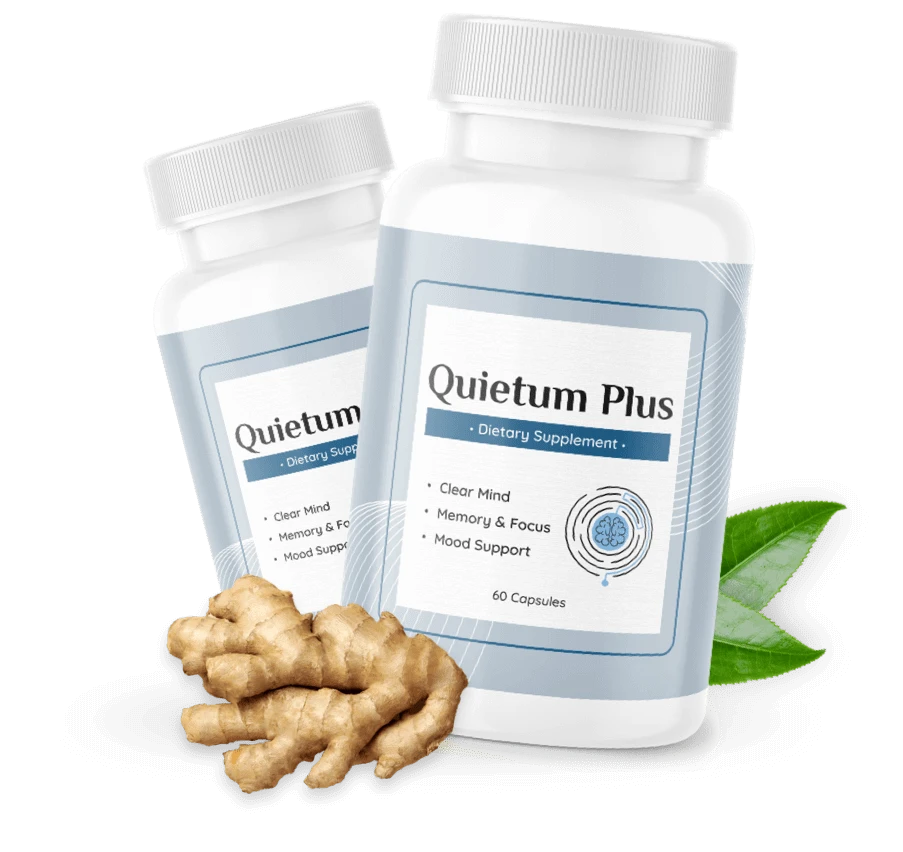
The Quietum Plus evidence page reports what the reviewed material establishes and what it leaves unresolved. We do not translate an ingredient mechanism into a promised clinical outcome.